Apartment Cost Breakdown Guide
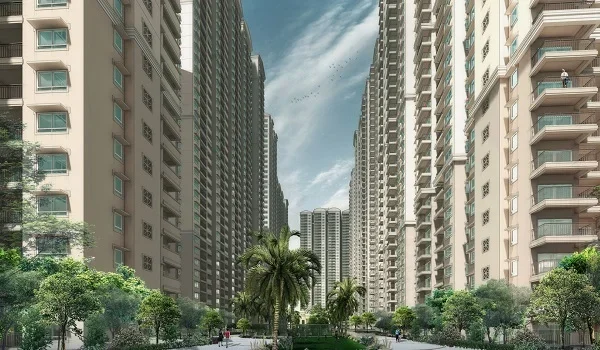
Featured Image of Apartment Cost Breakdown Guide


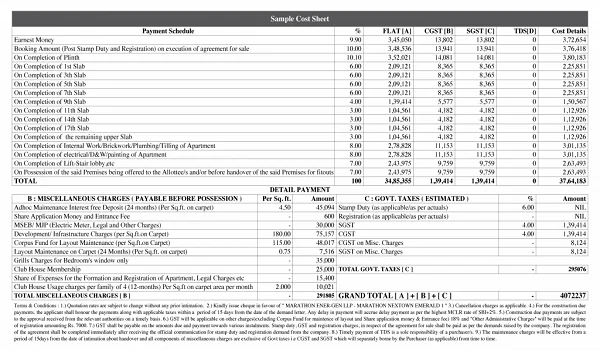
An Apartment Cost Breakdown Guide shows the complete amount of money needed to buy a home, where extra government taxes and builder fees typically add 15% to 25% over the basic sticker price. Knowing these extra bills helps you plan your home loan safely without running out of cash before you get your keys.

When you look at property ads, builders show you the lowest base rate per square foot. However, the final price tag always includes four main parts: the core flat price, government taxes, society connection fees, and monthly maintenance deposits.

Every city has its own local registration rules and tax rates that change the final bill. When you also add basic woodwork and paint for the interiors, your overall spend goes up further. Understanding each line item keeps your family budget safe and simple.
The Main Costs of the Flat


The base cost of the flat makes up about 70% to 80% of your total spending and comes from multiplying the total saleable area by the builder's rate per square foot. This payment covers the basic building structure, the land share, and the builder's standard work.

  • Base Rate: The standard price set for each square foot of space in the building.
  • Floor Rise Fee: Builders charge an extra ₹25 to ₹100 per sq. ft. for higher floors because they offer better views, fresh air, and less street noise.

  • Preferred Location Charge (PLC): Flats that face the garden, park, swimming pool, or the rising sun cost ₹100 to ₹450 per sq. ft. more.
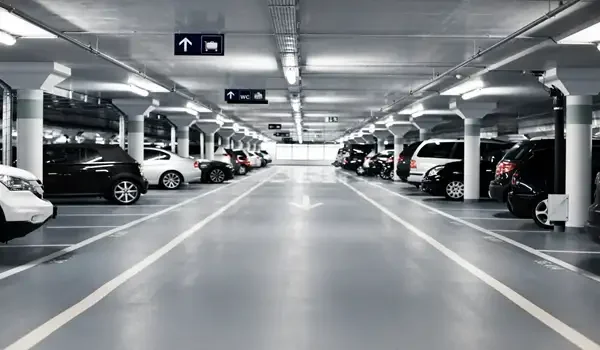
  • Car Parking Space: A dedicated covered parking slot in the basement costs between ₹2,50,000 and ₹6,00,000.

Government Taxes and Registration Fees


Government taxes add another 12% to 15% to your total flat cost and are compulsory fees paid directly to state and central offices during the purchase. These charges are fixed by law, so builders cannot give you a discount on them.

Tax Type Standard Rate Key Details
GST (Goods & Services Tax) 5% standard 1% affordable You pay this on under-construction flats. Ready flats with an Occupancy Certificate have zero GST.
Stamp Duty 5% to 7.5% State tax paid to make the property purchase legally yours.
Registration Fee 0.5% to 1% A small administrative fee paid to the local sub-registrar office to register the deed.
TDS (Tax Deducted at Source) 1% A mandatory tax deduction the buyer cuts and pays to the government if the flat costs ₹50 Lakhs or more.

Builder Facilities and Connection Fees


Builder facility charges usually add ₹400 to ₹900 per sq. ft. to bring electricity, clean drinking water, and common lifestyle amenities into your flat. Builders list these clearly in the booking agreement:

  • Power and Water Connection: Pays for electricity meters, transformers, and main water lines, costing around ₹1,50,000 to ₹3,50,000.
  • Clubhouse Membership: A one-time entry fee of ₹2,00,000 to ₹5,00,000 to use the gym, pool, and indoor games room.
  • Piped Cooking Gas: The setup fee for safe gas pipelines and home meters, costing about ₹15,000 to ₹35,000.
  • Legal and Agreement Fees: A charge of ₹30,000 to ₹60,000 for drafting the sale papers and checking property titles.
  • Generator Power Backup: Sets up backup power systems so your lights and lifts run during power cuts, costing ₹35 to ₹75 per sq. ft.

Move-In and Maintenance Charges


Move-in deposits take another ₹3 to ₹7 per sq. ft. every month to manage daily cleaning and build a safety reserve for future building repairs. These advance payments keep the society clean and secure from day one:

  • Advance Maintenance: Most builders take 12 to 24 months of maintenance money in advance to pay for security guards, lift care, and garden cleaning.
  • Sinking Fund: A one-time safety deposit of ₹50 to ₹150 per sq. ft. kept in a bank account for future painting and major building repairs.
  • Home Interiors: Setting up kitchen cabinets, bedroom wardrobes, fans, and lights costs an extra ₹800 to ₹1,800 per sq. ft.

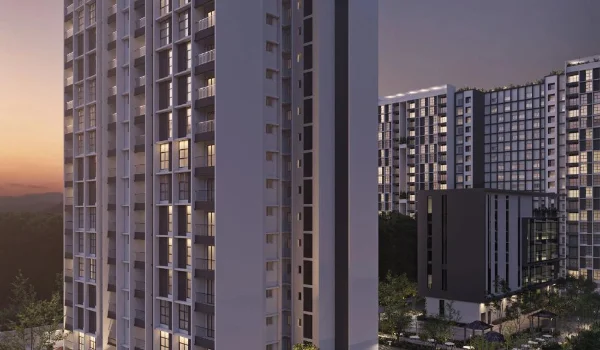
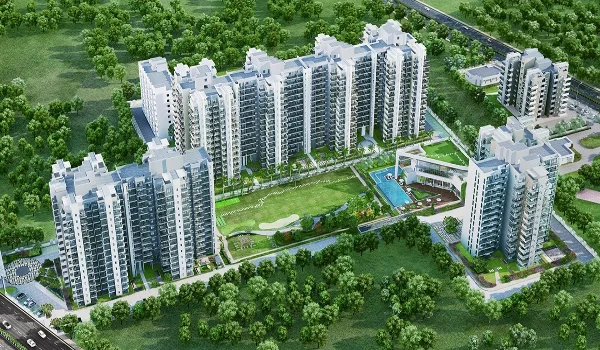
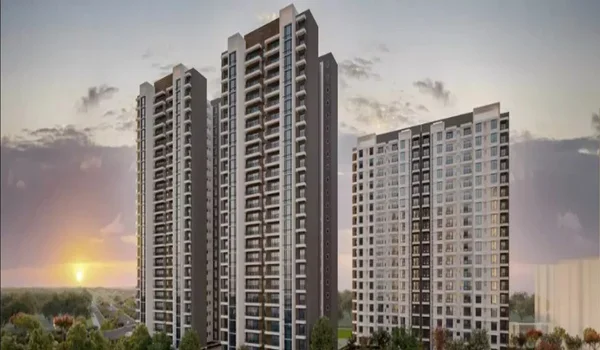
Practical Example: Cost Breakdown for The Prestige Place, Hyderabad


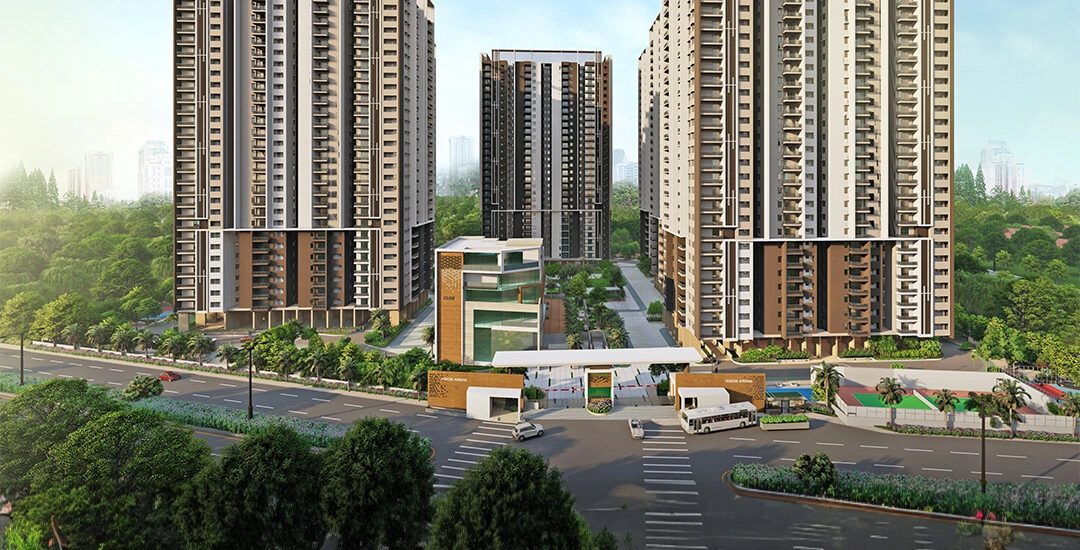
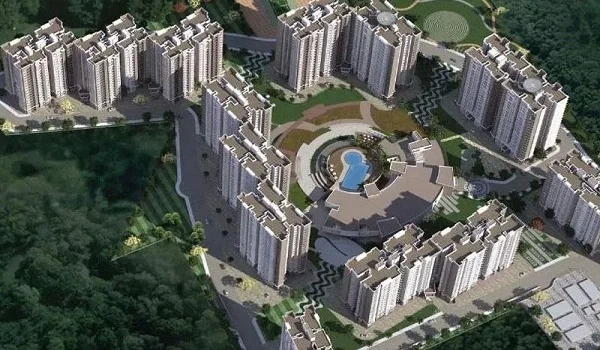
  • Project Name: The Prestige Place Hyderabad
  • Location: Budvel Main Road, Rajendranagar, South Hyderabad
  • Project Size: 10 Acres (3 High-Rise Towers, 1,050 Flats)
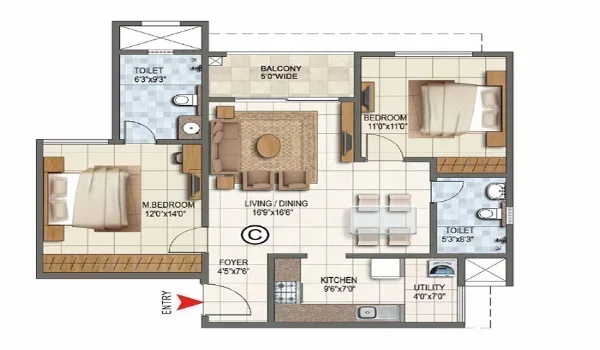
  • Home Sizes: 2, 3, & 4 BHK (1,200 to 3,000 sq. ft.)
  • Price Range: ₹1.40 Crore to ₹3.50 Crore
  • Launch Period: Late 2026 (Pre-launch Phase)
  • Possession Date: Expected December 31, 2031
  • Approvals: HMDA-approved layout; TS

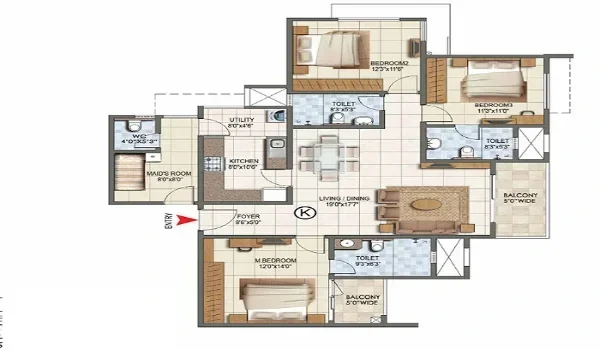
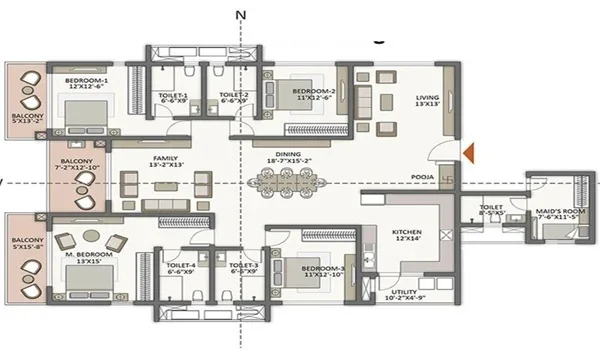
Here is a clear price calculation for a standard 3 BHK flat (1,850 sq. ft.) at The Prestige Place Hyderabad:

Cost Item How It Is Calculated Total Amount
Base Flat Value 1,850 sq. ft. × ₹10,500/sq. ft. ₹1,94,25,000
Floor & Facing Extra (PLC) 18th Floor + East Facing (@ ₹175/sq. ft.) ₹3,23,750
Car Parking Slot 1 Covered Basement Parking Slot ₹4,00,000
Total Base Agreement Value Core Value of the Flat ₹2,01,48,750
GST 5% on Base Value ₹10,07,438
Telangana Stamp Duty 7.5% State Registration Tax ₹15,11,156
Sub-Registrar Registration 0.5% + Legal Fee ₹1,40,744
Clubhouse Access Fee One-time Club Fee ₹4,00,000
Power, Water & DG Backup Grid & Generator Setup (@ ₹350/sq. ft.) ₹6,47,500
Advance Maintenance (2 Years) ₹4/sq. ft./month for 24 Months ₹1,77,600
Building Sinking Fund One-time Deposit (@ ₹75/sq. ft.) ₹1,38,750
Final Price to Pay Total Before Doing Home Interiors ₹2,41,71,938

In this Hyderabad home, government taxes (₹26.59 Lakhs) and basic builder charges (₹13.64 Lakhs) add ₹40.23 Lakhs on top—making the total cost 19.9% higher than the base quote of ₹2.01 Crores.

FAQs


1. How much extra money should I keep ready over the base flat price?

You should keep an extra 15% to 25% ready above the base price to pay for stamp duty, registration, GST, parking, and maintenance fees.

2. Do I have to pay GST on a ready flat?

No, you do not pay GST if the building is fully complete and has a valid Occupancy Certificate (OC) from the municipal office.

3. Does a bank home loan cover stamp duty and registration?

No, banks usually lend money only for the base cost of the flat, meaning you must pay the stamp duty and registration fees from your own savings.

4. What is the difference between carpet area and super built-up area?

Carpet area is the actual floor space you can use inside your walls, while super built-up area includes your share of common spaces like lifts, stairs, and lobbies.

5. What is a sinking fund used for in an apartment society?

A sinking fund is an emergency bank deposit used years later for big repairs, such as repainting the building, fixing lifts, or repairing water pipes.

The Prestige Place Hyderabad Blog


Enquiry
Enquire Now